Do You See a Story When you Read?
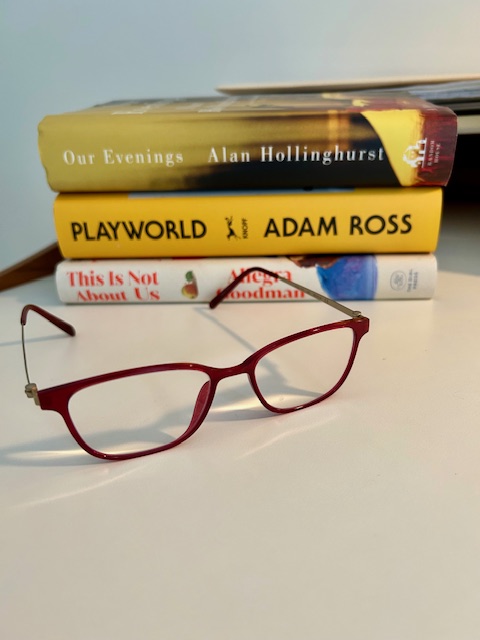 When you read, do characters and settings come to life in your mind—so that you see it all acted out in front of you, like a movie? That’s my experience when I read. And for the longest time, I thought it was everyone’s. But no. I had a conversation with a bunch of people recently—and, while most said they were visual and could see a story, one person didn’t read that way. Instead, he said, he heard the story. His connection to it was the language. For him, it was an auditory experience. If an author described the flow of a river or the blast of an explosion, he needed the sound of the language more than the image to bring it to life. Otherwise, the text sounded flat. Vive la difference! What a revelation!
I love seeing what I read. Characters’ homes, their furniture, clothes, and bedrooms. Their towns, their places of work. I see streets and mountains and views. But here’s the thing. Sometimes when I’m reading, I can’t see what’s happening as clearly as I want.
Sometimes, when details aren’t there, I go back and search for them. I try to piece together the scene, see if I missed something. How exactly did that traffic accident happen? Did they start that argument in the bedroom and then move to the living room? Could everyone hear them? There’s a dock and a lake—but how did she get in the water? To me, the details of place or body language are as important as a character’s interiority.
Why does it matter? After all, there are different writing styles —and not all of them involve description or “stage direction.” But I’ve read so many books lately where I couldn’t place a character when I wanted to. On the other side, I’m sure, too much description can slow down the action. It’s a fine balance. Still, I’m always surprised when an author doesn’t feel the need to tell the reader where their characters are standing or what they’re doing.
And then there’s the question of the blue coat in my own novel, the symbol of a secret between two women. Recently, one of my early readers, told me that she saw the blue coat as teal. Really? To me, the coat is navy. It’s always been navy! Then I went back to the manuscript and found that I’d never actually used the work “navy.” I’d broken my own rule about adding description! Slowly, it dawned on me that it didn’t matter what shade of blue it was. It was wonderful that she saw it one way—and I saw it another. That’s the beauty of reading. We see it (or hear it) in our own way.
Will I go back to the manuscript and add the word “navy”? Not sure. I have to think it over. Or, should I say, “I’ll have to see!”